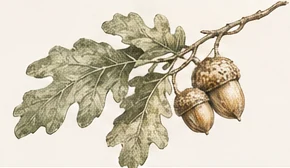
A little over a third of our place is in hardwood woodland, mostly oak and hickory. Some of it is quite sloped, and I am happy to leave much of that ground wooded. Daniel works as a field officer with the U.S. Fish and Wildlife Service, and he has helped me become more familiar with what lives on our land. I take great pleasure in having a place to walk where there is so much to notice from one season to the next.
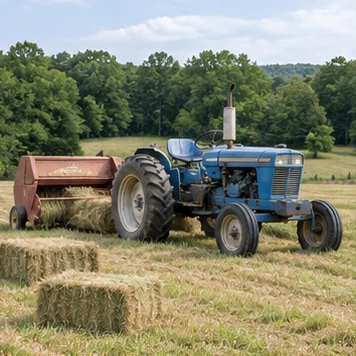
We have five acres of pasture and another five in hay. The pasture is divided so we can give the ground time to recover, taking account of how much forage is actually available. Our hay is a mix of grasses, including orchardgrass and fescue, with clover. In a favorable year we can have hay to spare for a neighbor or to sell locally. We put about an acre and a half toward small plantings of feed crops such as corn, oats and sorghum, rotating them with cover crops. We still buy feed and supplements; our own crops are only a part of the animals' diets.
We pay attention to where water runs off the hills, where the animals tend to congregate and whether the ground is holding up to their use. It's important to us to maintain the soil as well as the grass. There are places where it makes better sense to rest the ground than to keep using it just because it's fenced.
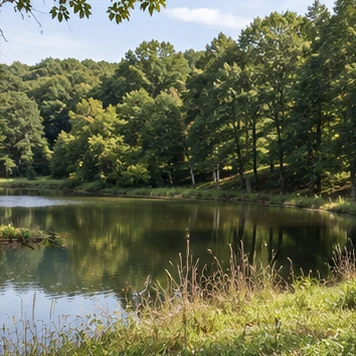
The pond is about three quarters of an acre, with bluegill and largemouth bass. It's nice to fish a little when the children come home, or just to walk down there with Maggie in the evening. We keep livestock from having unrestricted access to the water. Much of the enjoyment of this property comes from the woodland and pond, and I would be reluctant to give either up for more production.